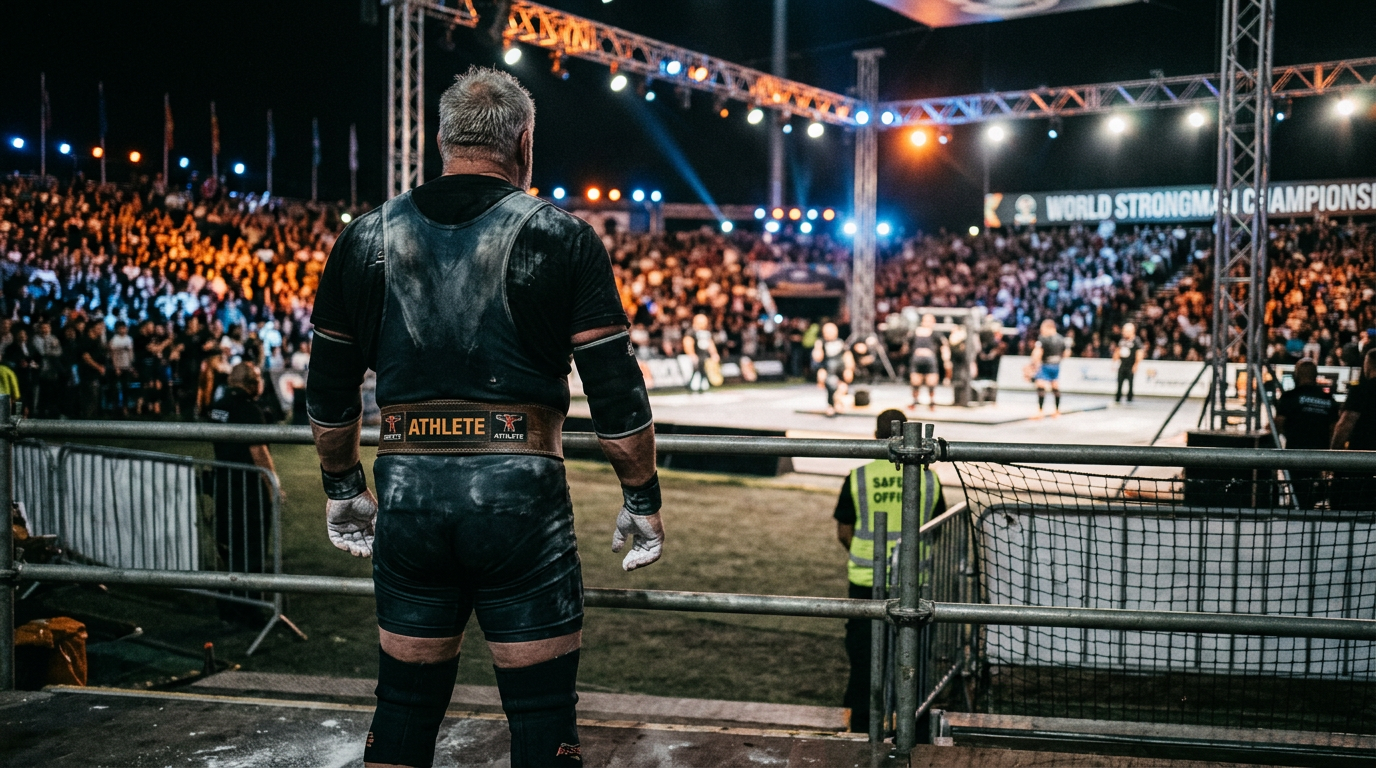
At the 2025 World's Strongest Man in Sacramento, Day 2 qualifiers sent athletes through a gauntlet that would end most competitors' ambitions before the finals began. Nick Best was there — not to compete in the open field, but to observe, support, and connect with the fans who have followed his career across nine WSM appearances spanning more than a decade. His Day 2 footage, covered in this week's episode of The Best Experience with co-host Ben Bulman, captures something that raw strength numbers don't: what it looks like when an athlete is genuinely comfortable in the world's most pressure-filled strength environment.
That comfort didn't arrive automatically. It was built through repetition, failure, adjustment, and an understanding of how the mind behaves under competition conditions that most people never develop. Here is how Nick Best thinks about the mental game.
Key Takeaways
- Nine WSM appearances give Nick Best a reference library of high-pressure situations that most athletes will never accumulate — and that library is the foundation of his mental game.
- His pre-event routine is consistent and deliberate: controlled breathing, a specific physical warmup sequence, and internal visualization of the event executed successfully.
- The crowd and family energy at WSM doesn't distract Nick — it activates him. He has learned to convert external stimulation into fuel rather than noise.
- Training mindset and game-day mindset serve different purposes: training rewards patience and process; competition demands total commitment to a single attempt.
- Callie Best competing alongside Nick creates a shared language around performance anxiety and pre-competition nerves that most athletes have to develop alone.
- The two Masters world titles matter not just as trophies but as proof of concept — that a consistent mental approach replicates results across years and different competitive environments.
Nine Appearances Builds a Reference Library
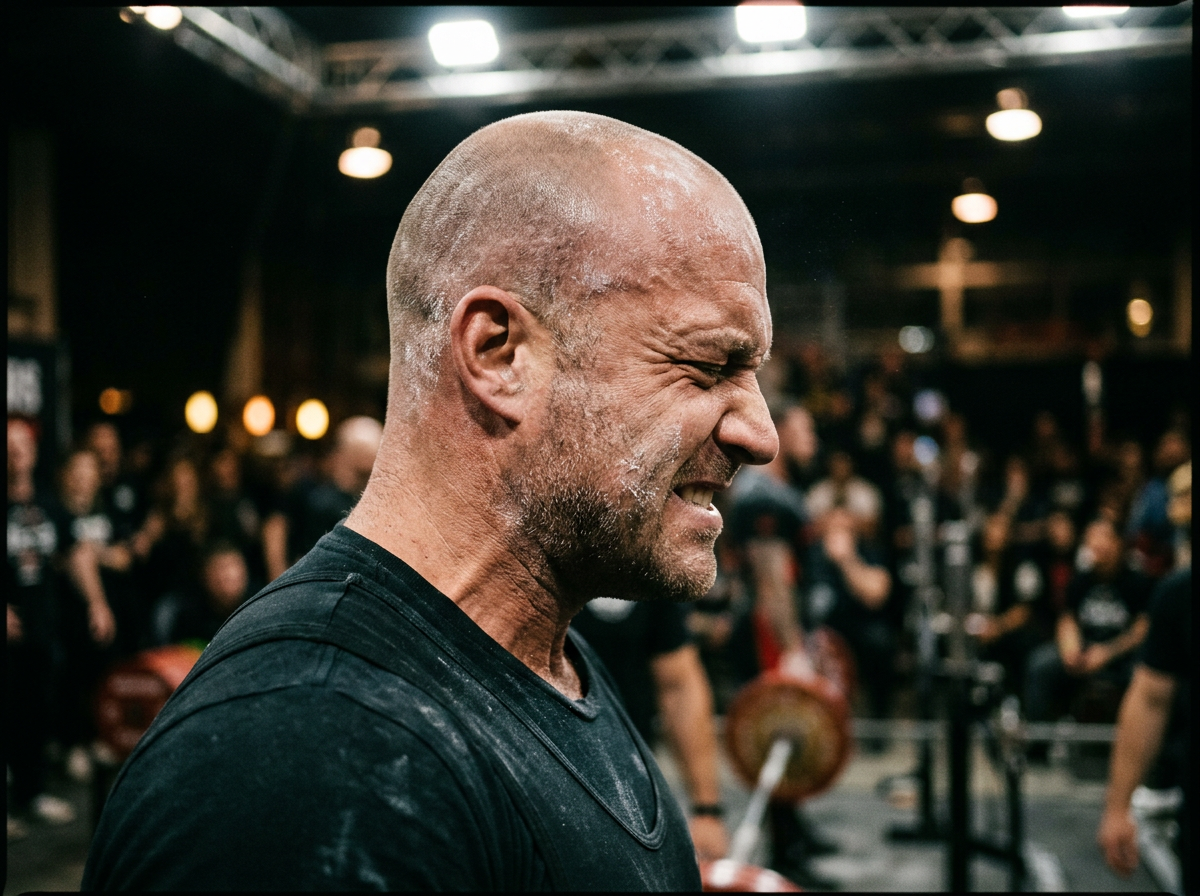
The first time an athlete walks into the World's Strongest Man arena, the environment itself is an obstacle. The crowd noise, the television production, the presence of athletes who have been on magazine covers for years — all of it creates a cognitive load that doesn't exist in the garage gym at home. The first appearance is spent managing that environment. By the ninth appearance, the environment is familiar. The stands are loud, but loud is now normal. The cameras are there, but cameras are not new. The implements on the field are the same implements you've been training on for years.
Nick Best's nine WSM appearances — in which he reached the finals twice — represent an irreplaceable experiential database. When a new pressure situation arises mid-competition, he can cross-reference it against nine years of similar moments and identify the response that worked. That's not a mental skill that can be faked or purchased in a seminar. It accumulates through competition experience, period.
For younger athletes who haven't had that many appearances yet, Best's consistent message is to compete as frequently as possible at any level, because competition experience in any high-stakes context deposits something into that reference library. A regional qualifier at 200 people is different from WSM, but the pressure of standing at a bar knowing that hundreds of eyes are watching trains the nervous system to function under scrutiny.
The Pre-Event Routine
Routine is the mental game's implementation layer. Nick's pre-event approach is built around three elements that he has refined over the length of his career: controlled breathing to lower heart rate before an event, a physical warmup sequence that is identical regardless of the event or venue, and internal visualization of the movement executed at its best.
The breathing protocol is simple — slow diaphragmatic inhalation, longer exhalation, repeated several times in the minutes immediately before the event — and deliberately un-dramatic. It's not a theatrical ritual. It's a physiological intervention: slowing the breath down reduces circulating cortisol slightly, calms the prefrontal cortex, and creates a gap between the flood of adrenaline and the moment of execution. In that gap, focus is possible.
Visualization at Nick's level is not daydreaming about a gold medal. It's specific: the walk to the implement, the grip setup, the initial pull or the first step, the point at which the event becomes painful and the response to that pain. He rehearses the hard part of the event, not just the triumphant finish, because the hard part is where most competitors lose their form and their time.
Crowd Energy as Fuel, Not Noise
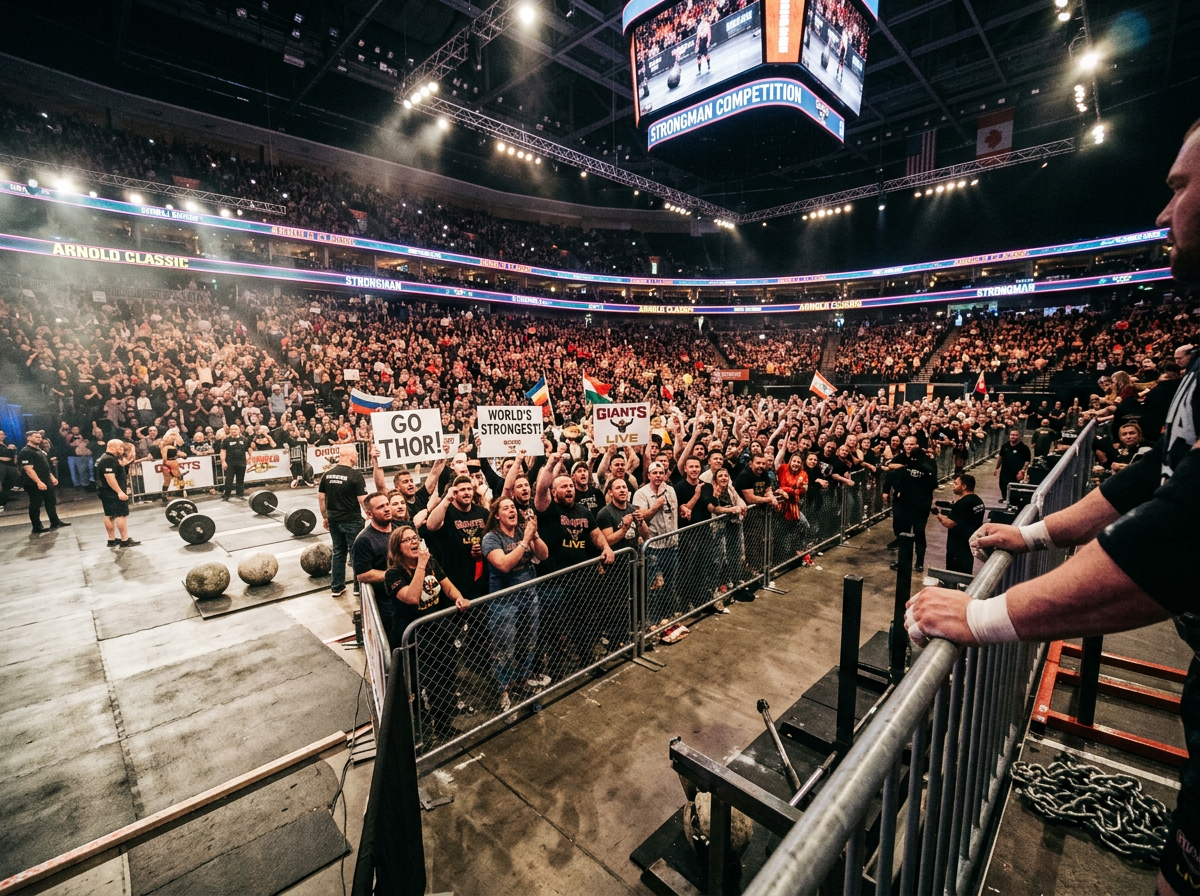
One of the more interesting mental adaptations Nick Best has developed over his career is his relationship with crowd energy. At most competitions — and WSM especially — the crowd noise during an event is significant and unpredictable. It spikes when an athlete is clearly struggling or clearly crushing it, and that noise can disrupt rhythm for athletes who haven't learned to work with it.
Best describes the crowd as amplification, not distraction. When a fan section is loud, his interpretation is not that they are creating chaos — it's that they are providing a signal that the moment is significant, and significance is what he trained for. That reframe, from noise to signal, is a learned cognitive skill. It doesn't happen automatically on the first competition. It develops when an athlete repeatedly experiences crowd noise and finds that the performance on the other side of it was fine.
This connects directly to the Day 2 footage in Sacramento, where Best's interactions with fans are genuinely warm and energetic. He's not tolerating the crowd between events. He's drawing from it. At 6'2" and built like a historical monument, his presence in those crowd interactions is itself a performance — the Grandfather of Strongman, accessible and real, not distant behind a media wall.
Training Mind vs. Game-Day Mind
The distinction Nick draws between his training mindset and his competition mindset is practical and underrated. In the Best Strong garage gym in Las Vegas, patience is the virtue. A missed rep is information. A bad session is data. The training environment rewards process-orientation, long time horizons, and the ability to tolerate uncertainty about whether the adaptation is happening.
Competition demands the opposite. Once the referee signals go, there is no information-gathering mode. There is only commitment. Best's mental framework for competition deliberately suppresses the analytical voice that serves training well — the one that asks whether the grip is right or whether the bar path is optimal — and replaces it with one instruction: execute what you have trained to execute.
Callie Best, competing herself as a strongwoman, gives Nick a rare advantage: a partner who understands this duality from the inside. The World's Strongest Family dynamic that TLC's My Crazy Obsession profiled years ago isn't just a television hook. It's a genuine shared culture of performance, where conversations about pre-competition nerves, game-day routines, and the difference between productive and destructive anxiety happen naturally at home.
Two Masters world titles don't happen without getting both sides of that equation right. The physical preparation gets the athlete to the platform. The mental preparation determines what happens when they get there. Nick Best has spent a career proving that the second half of that sentence is not a metaphor.
Watch the Full Episode
Nick Best at WSM 2025 – Day 2 Qualifiers, Fans, Fun & Finals Prep! — from The Best Experience podcast with Nick Best.
Watch on YouTubeFurther Reading
Get the Full Best Experience
Train with Nick. Hear every episode early. Join the Best Strong Patreon.
Join Patreon